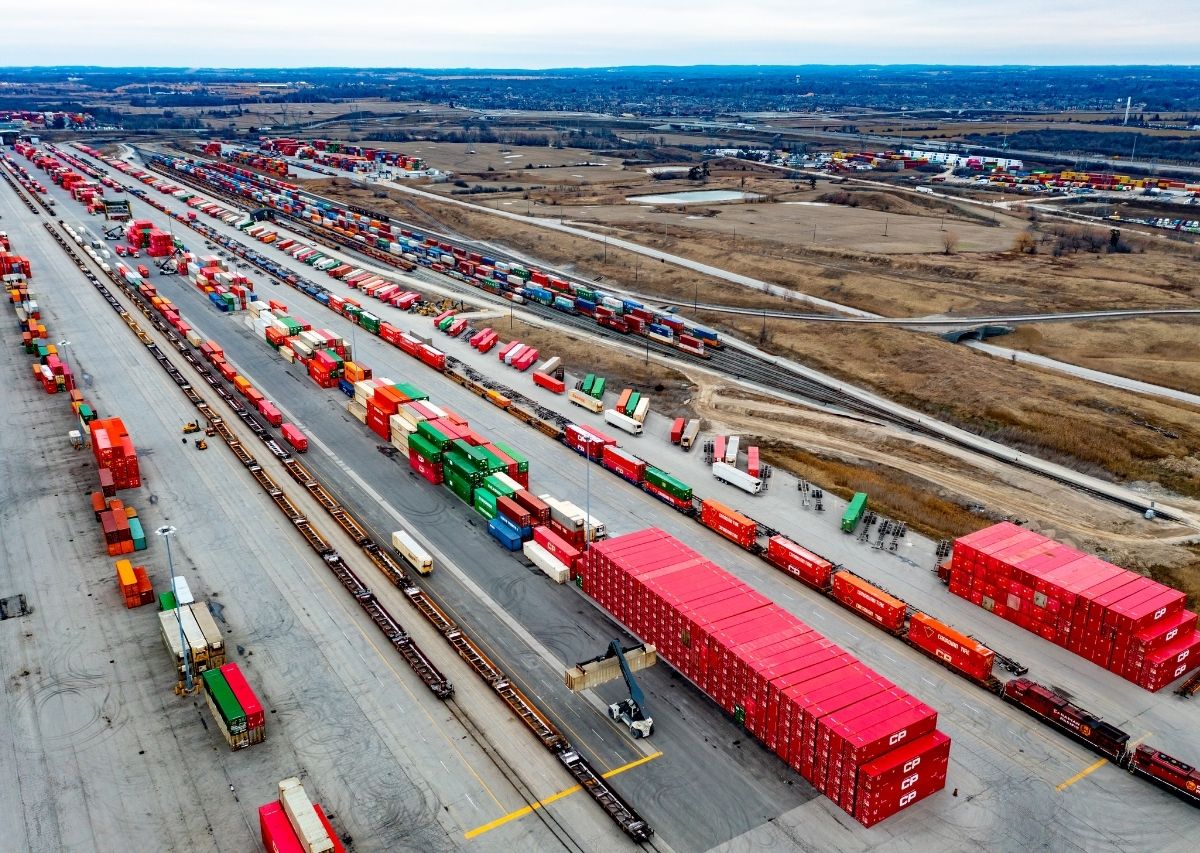
When planning a move or shipping goods across long distances, understanding what intermodal transportation is can help you make smarter logistics decisions. Intermodal transportation is a method of moving freight that uses two or more different modes of transportation, such as trucks, trains, ships, and airplanes, all while keeping the cargo in the same sealed container throughout the entire journey. This approach eliminates the need to unload and reload goods each time they switch from one transport mode to another, which reduces handling, improves security, and minimizes the risk of damage or loss.
Flamingo Moving, a trusted moving company serving Port Charlotte, Florida, understands that moves sometimes involve more than just local transportation. Whether you are relocating across the state or coordinating a long distance move, working with a team that offers professional residential moving services ensures your belongings are handled with care while complex logistics are managed efficiently.
This comprehensive guide explains what intermodal transportation is, how it works, the benefits it offers, and when it might apply to your moving or shipping needs.
Intermodal transportation involves transporting goods in a standardized container or trailer using multiple modes of transportation without handling the freight itself when changing modes. The key feature is that the cargo stays in the same container throughout the trip, whether that container is on a truck, a train, a ship, or a plane. This continuity protects the contents, speeds up transfers, and reduces labor costs associated with loading and unloading.
For example, a typical intermodal shipment might begin with a truck picking up a container from a warehouse or distribution center and transporting it to a rail terminal. The container is then loaded onto a train for the long distance portion of the journey, which is often more cost effective than driving the entire route by truck. Once the train reaches a terminal closer to the destination, the container is transferred back onto a truck for final delivery to the customer. Throughout this process, the goods inside the container are never touched or repackaged.
The intermodal shipping process is designed to simplify the movement of goods and eliminate unnecessary handling while in transit. Goods are loaded into standardized containers, typically 20 foot or 40 foot units, sealed at the origin, and then transferred between trucks, trains, or ships using specialized equipment at intermodal terminals.
Rail transport often handles the longest segment of the journey, offering significant cost savings and reduced environmental impact. Once the shipment reaches the destination terminal, drayage trucks complete the final delivery. This seamless coordination improves reliability and minimizes risk.
While the terms are sometimes confused, intermodal transportation uses separate contracts for each transportation leg, while multimodal transportation operates under a single contract with one provider. Intermodal shipping offers greater flexibility and control, which is especially useful for businesses coordinating complex relocations or large shipments.
This is why companies planning office or warehouse relocations often rely on experienced commercial moving services that understand how to coordinate multi-step logistics efficiently while minimizing downtime and costs.
Intermodal transportation offers several key advantages, including lower costs for long distance shipments, reduced environmental impact, improved cargo security, and decreased road congestion. Because goods remain sealed in one container, the risk of damage or theft is significantly reduced.
For businesses and individuals shipping large volumes or traveling long distances, these benefits translate into greater reliability and better overall value.
While intermodal transportation is most common in commercial freight and international shipping, it can also apply to certain long distance residential moves and large commercial relocations. Office moves, inventory transfers, and international household shipments frequently rely on intermodal logistics to balance cost, speed, and safety.
Flamingo Moving primarily focuses on local and regional moves throughout Port Charlotte and Southwest Florida, but understanding intermodal transportation helps customers appreciate the coordination involved in more complex relocations.
Professional moving companies play a crucial role in planning and executing successful relocations. From packing and loading to secure transportation and unloading, experienced movers ensure each step is handled properly.
Whether coordinating a multi-state relocation or a neighborhood move, Flamingo Moving delivers dependable service backed by trained crews, proper equipment, and full licensing and insurance.
Understanding what intermodal transportation is helps you make informed decisions when planning a move. While intermodal logistics are rarely necessary for short distances, the same principles of organization, efficiency, and secure handling apply to every relocation.
For moves within the area, working with trusted local moving experts in Port Charlotte ensures faster service, lower costs, and a stress-free experience tailored to your schedule.
Whether you are relocating within Port Charlotte, moving elsewhere in Southwest Florida, or coordinating a commercial move, having a reliable local moving partner makes all the difference. Flamingo Moving provides professional training, careful handling, and personalized service for every move.
If you are ready to plan your relocation or want expert guidance, contact Flamingo Moving at 941-273-6928 or movewithflamingo@gmail.com to schedule your move with confidence.
What is intermodal transportation?
Intermodal transportation is the movement of goods using two or more modes of transport such as trucks, trains, ships, or planes with cargo remaining in the same sealed container throughout the entire journey, reducing handling and improving security.
How does intermodal transportation differ from multimodal?
Intermodal involves separate contracts for each leg of the journey with cargo in the same container, while multimodal uses one contract with a single provider who manages the entire route and may transfer cargo between different containers.
What are the main benefits of intermodal transportation?
Intermodal transport offers cost savings of up to 40 percent for long distances, reduces environmental impact, improves cargo security, decreases road congestion, and provides reliable capacity by combining the strengths of different transport modes.
When is intermodal transportation most cost effective?
Intermodal transport is most cost effective for shipments over 500 miles where the economies of rail or sea transport outweigh the added time and coordination required for transferring containers between different modes of transportation.
Does intermodal transportation apply to residential moves?
While most local residential moves use direct trucking, intermodal logistics can apply to long distance moves, international relocations, or large commercial moves where goods are transported using multiple modes to balance cost, speed, and reliability.
-216w.webp)
.avif)







.png)
.avif)
.avif)