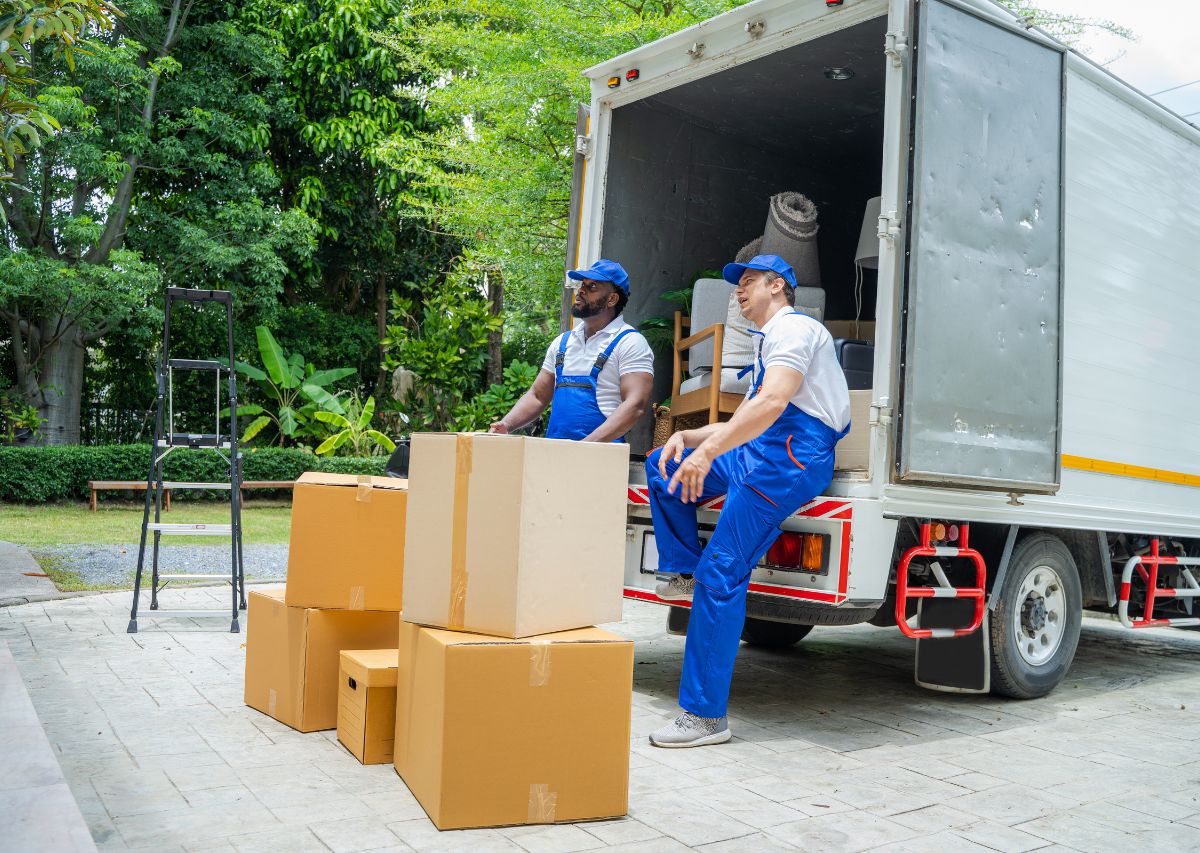
Knowing how to pack a moving pod properly can make a major difference in protecting your belongings and reducing stress during a move. Moving pods are convenient and flexible, but they require careful planning and strategic packing. Unlike a traditional moving truck, you are fully responsible for how items are loaded, secured, and balanced inside the container. This guide walks you through each step so you can pack your moving pod efficiently, safely, and with confidence—especially if you’re coordinating with professional moving support from Flamingo Moving.
A moving pod is a portable storage container delivered to your home that you load at your own pace. Once packed, it is transported to your new location or stored until you are ready for delivery. Pods come in different sizes and are commonly used for local moves, long distance relocations, renovations, and temporary storage. Because pods are transported and sometimes stored for extended periods, packing them correctly is essential.
Improperly packed moving pods can lead to shifting, damaged furniture, broken boxes, and wasted space. Pods are lifted and transported multiple times, which increases movement inside the container. Poor weight distribution or unsecured items can result in costly damage. Careful packing helps keep items stable and ensures you get the most value from the pod space.
Selecting the correct pod size is the first step. Smaller pods are ideal for studio apartments or partial moves, while larger pods are better for multi-room homes. Overfilling a pod can cause damage, while underfilling wastes space and money. If unsure, estimate your inventory carefully or consult a moving professional for guidance.
Having the right supplies makes packing a moving pod much easier. Use sturdy moving boxes, furniture pads, stretch wrap, mattress covers, and heavy-duty straps. Avoid using weak boxes or worn containers. Label boxes clearly so you know where items belong when unloading.
Before loading anything, map out where major items will go. Heavy items should be placed toward the back and bottom of the pod. Lighter items go toward the front and top. Planning prevents constant rearranging and improves balance. Load items in zones rather than randomly.
Start by loading large, heavy furniture such as sofas, dressers, washers, and refrigerators. Place them against the pod walls to create a stable base. Stand mattresses upright along the sides to act as protective barriers. Use furniture pads between items to prevent scratches and dents.
Even weight distribution is critical when packing a moving pod. Avoid placing all heavy items on one side. Balance weight from left to right and front to back. Uneven loads can cause shifting during transport and increase the risk of damage.
Moving pods offer significant vertical space that should not be wasted. Stack sturdy boxes evenly and place lighter boxes on top of heavier ones. Use shelving units and dressers as storage by placing items inside them. Fill gaps with soft items like pillows and linens to prevent movement.
Once items are loaded, secure them with straps or ropes attached to the pod’s interior rails. This prevents items from shifting when the pod is moved. Tighten straps as you go rather than waiting until the end. Proper securing is one of the most important steps when packing a moving pod.
Fragile items require extra care. Wrap dishes, glassware, and electronics with packing paper and bubble wrap. Place fragile boxes near the top of the load and mark them clearly. Avoid placing fragile items near heavy furniture or on the floor of the pod.
Do not leave empty spaces between items without filling them. Avoid stacking heavy items on weak boxes. Never place loose items in the pod without boxing or securing them. Skipping straps or padding is one of the most common causes of damage.
If your pod will be stored for weeks or months, additional precautions are needed. Use moisture-resistant materials and avoid packing damp items. Place items on pallets or raised surfaces if possible. Keep frequently needed items near the front for easier access later.
Although moving pods are designed to protect belongings, moisture can still be a concern. Use plastic wrap and moisture absorbers for sensitive items. Avoid packing food, liquids, or items that could leak. Ensure everything is completely dry before loading.
Take photos of your packed pod before it is closed. This helps with insurance and provides a reference when unloading. Label boxes clearly with room names and priority notes. Documentation adds peace of mind and simplifies unpacking.
When the pod arrives, unload carefully and in reverse order. Remove lighter items first, then heavier furniture. Inspect items as they are removed. Keep packing materials until everything is accounted for and undamaged.
While many people pack moving pods themselves, professional movers can help with heavy lifting and proper loading. Movers understand weight distribution and securing techniques that reduce damage risk. This is especially helpful for homeowners coordinating Venice Florida moving services who want to minimize risk and speed up the process.
Flamingo Moving provides reliable moving services for customers using moving pods. Whether you need help loading, unloading, or handling heavy items, professional movers ensure everything is packed safely and efficiently. If you’re planning a move and searching for trusted Englewood Florida movers, Flamingo Moving offers experienced support to help ensure a smooth relocation.
If you would like assistance with your move, you can contact Flamingo Moving at movewithflamingo@gmail.com or call 941-273-6928 to discuss your needs and plan a stress-free move.
What is the best way to pack a moving pod
The best way to pack a moving pod is to start with heavy furniture placed against the walls then stack sturdy boxes evenly and secure everything with straps. Filling gaps and balancing weight helps prevent shifting and damage during transport or storage.
How full should a moving pod be packed
A moving pod should be packed tightly enough to prevent movement but not overloaded. Items should fit securely with no large gaps. Overpacking can damage belongings while underpacking allows items to shift during transport.
Should furniture be disassembled before packing a pod
Yes disassembling furniture when possible makes packing easier and safer. Removing legs shelves and headboards reduces bulk and helps items fit better in the pod while lowering the risk of damage during loading and transit.
Can fragile items be safely packed in a moving pod
Fragile items can be safely packed in a moving pod when wrapped properly and placed in sturdy boxes. They should be positioned toward the top of the load and secured away from heavy furniture to reduce pressure and impact risk.
Is it worth hiring movers to help pack a moving pod
Hiring movers to help pack a moving pod can be worthwhile especially for heavy or bulky items. Professional movers know how to balance weight secure loads and protect furniture which can reduce damage and save time during the move.
-216w.webp)
.avif)






.png)
.avif)
.avif)